To the Gilbert & Sullivan tune, "Modern Major General":
To model a true Partnership with Fam'ly and Community,
(As leaders of our school it is a key responsibility),
To strive to liberate the barriers with true integrity,
For Stu' success we'engage all fam'lies to our best ability!
We do not hesitate to work hard to improve engagement rates,
Shared vision that we all create will lead us to eliminate
The gaps in learning that exist, the urgency is oh so great,
Our staff is focused ev'ry day, as school improvement demonstrates!
The Partnership needs all of us, it's more than a philosophy,
We take to heart relationships and excellence and equity,
Our strength lies in diversity to re'lize opportunity,
Modern fam'ly 'engagement is a shared responsibility!
We have experience and skill with tools and staff most critical,
Communications ev’ry way from face-to-face and digital,
We build relations big and small, collaborate with one and all,
For Stu' Engagement, most of all, Fam’ly Engagement is our call!
- - -
*A theme song for today's school leaders! "Family" refers to the community of adults in a child's life who provide advocacy and support for them to succeed at school and in life.
Showing posts with label #PTcamp. Show all posts
Showing posts with label #PTcamp. Show all posts
Thursday, November 3, 2016
Saturday, March 14, 2015
OneWord
In the last days of 2014, my PLN challenged me to reflect on OneWord of purpose for the coming year. (More about the OneWord spark from PLN colleague Ted Huff here). And my initial reflection brought many good words of purpose to mind:
I carefully considered each one, ultimately deciding that these very good words were better suited as foundation words from which to build and support my OneWord choice. I wondered: Could my OneWord sum up all that I hoped for in my vision of purpose and interaction with people, things, time? It is to lead, persist, and inspire with soul, yes, and to lead from the truth of who I am.
The word I claimed for myself is, BOLD. In the past few months of living with the word, I have come to understand that to focus on it is to arrive at what is most essential; a word of purpose and commitment that is applicable personally, professionally, and in my public life.
We know that change is hard. One thing I like about the OneWord concept is that it enhances who I already am. This isn't to say that adopting my word has been easy, but it has been illuminating. PLN colleague, P.A. Cormeny noted that when one begins to focus on one's word, one sees it exhibited in others (see her OneWord blogpost). I also like the way her post included quotes in support of her word and so I offer the following:
 One must be bold, at the risk of having been deceived and making mistakes.
~ Camille Pissarro
Freedom lies in being bold.
~ Robert Frost
Even as far back as between 29 and 19 BCE, Virgil provides: Fortune favours the bold.
Themes of Justice and Mercy, Virtue and Sin predominate in Shakespeare's Measure for Measure, where we find: Virtue is bold, and goodness never fearful.
Reflecting on a good use of the word for public service, Thomas Jefferson said: I was bold in the pursuit of knowledge, never fearing to follow truth and reason to whatever results they led, and bearding every authority which stood in their way.
Be bold. Be dynamic. Be unafraid. And continue to make this the #BestYearEver.
courage - strength - vision - soul - authentic - thrive - desire - passion - dream - inspire - essential - hope - imagine - persevere - reflect
I carefully considered each one, ultimately deciding that these very good words were better suited as foundation words from which to build and support my OneWord choice. I wondered: Could my OneWord sum up all that I hoped for in my vision of purpose and interaction with people, things, time? It is to lead, persist, and inspire with soul, yes, and to lead from the truth of who I am.
The word I claimed for myself is, BOLD. In the past few months of living with the word, I have come to understand that to focus on it is to arrive at what is most essential; a word of purpose and commitment that is applicable personally, professionally, and in my public life.
"Change is easy - you go first."
We know that change is hard. One thing I like about the OneWord concept is that it enhances who I already am. This isn't to say that adopting my word has been easy, but it has been illuminating. PLN colleague, P.A. Cormeny noted that when one begins to focus on one's word, one sees it exhibited in others (see her OneWord blogpost). I also like the way her post included quotes in support of her word and so I offer the following:
One must be bold, at the risk of having been deceived and making mistakes.~ Camille Pissarro
Freedom lies in being bold.
~ Robert Frost
Even as far back as between 29 and 19 BCE, Virgil provides: Fortune favours the bold.
Themes of Justice and Mercy, Virtue and Sin predominate in Shakespeare's Measure for Measure, where we find: Virtue is bold, and goodness never fearful.
Reflecting on a good use of the word for public service, Thomas Jefferson said: I was bold in the pursuit of knowledge, never fearing to follow truth and reason to whatever results they led, and bearding every authority which stood in their way.
Be bold. Be dynamic. Be unafraid. And continue to make this the #BestYearEver.
Tuesday, December 23, 2014
Remembering Summer Learning
This year, and summer especially, will remain in my memory as one where I explored new methods of learning.
I had already discovered the power of twitter as a personal and professional learning tool, what with various twitter chats in which I began participating in 2011.
I had already discovered the power of twitter as a personal and professional learning tool, what with various twitter chats in which I began participating in 2011.
Last Spring, I signed up for my first MOOC with coursera. I logged in for the first few days, then, never again. Failure to continue the course was a combination of being somewhat disoriented there, not being as interested in the course as I thought I would be, and a general lack of time.
Undaunted, in July I signed up for an EDx course: The Future of Learning with Professor Richard Elmore. Happily, I found this one to be a topic in which I was not only interested, but engaged in right from the start.
I had been fortunate to attend an introduction to the MOOC on the Harvard campus with Prof Elmore in June. In the course we explored modes of individual and distributed learning and leading through exploration and understanding of our own theories of learning and leadership. This course provided me with tools to imagine and contribute to the future of learning. More on this to come in future posts!
So, I've experienced two MOOCs to date. Both were designed with participatory interaction occurring primarily through the course website, with expanded conversation happening on discussion platforms within the site (which I found to be extremely chaotic in both cases...), as well as through social media (a facebook page and twitter). Connections to others for both were based on platforms for writing and reading.
 Another summer learning experience was reading "Beyond the Bake Sale" as a #PTcamp bookchat with over 100 educators and parents spanning 10 time zones. We used digital tools including Voxer, twitter (#ptcamp), ApprenNet, and blogs to discuss a couple of chapters each week.
Most striking about this experience were the visual (ApprenNet) and aural (Voxer) aspects of connecting and sharing. The group was certainly much smaller than a MOOC but much bigger than a typical book group. The digital tools enabled us to connect and challenge each other through voice and video.
Bake Sale was a stand out experience that continues to have ripples! Out of that bookchat experience came material for an MTA ED Talk to be given at their summer conference in Williamstown last August. Unfortunately, I was unable to give my ED Talk due to illness, but no good work is ever wasted! Themes and examples from my Talk have been used in various ways since, including on this blog. The bookchat had also enabled the ability to establish relationships - connecting through voice and video makes quick colleagues! I maintain a personal and professional learning network with members of the #ptcamp group who inspire me daily.
For those interested: Here's a Harvard Graduate School of Education video of Dr. Karen Mapp (one of the Bake Sale authors) describing her work on the Dual Capacity-Building Framework recently released by the US Department of Education: http://www.gse.harvard.edu/news/uk/14/11/building-capacity-family-engagement
 |
| Professor Richard Elmore, June 2014 (Photo credit: mas) |
So, I've experienced two MOOCs to date. Both were designed with participatory interaction occurring primarily through the course website, with expanded conversation happening on discussion platforms within the site (which I found to be extremely chaotic in both cases...), as well as through social media (a facebook page and twitter). Connections to others for both were based on platforms for writing and reading.
Most striking about this experience were the visual (ApprenNet) and aural (Voxer) aspects of connecting and sharing. The group was certainly much smaller than a MOOC but much bigger than a typical book group. The digital tools enabled us to connect and challenge each other through voice and video.
Bake Sale was a stand out experience that continues to have ripples! Out of that bookchat experience came material for an MTA ED Talk to be given at their summer conference in Williamstown last August. Unfortunately, I was unable to give my ED Talk due to illness, but no good work is ever wasted! Themes and examples from my Talk have been used in various ways since, including on this blog. The bookchat had also enabled the ability to establish relationships - connecting through voice and video makes quick colleagues! I maintain a personal and professional learning network with members of the #ptcamp group who inspire me daily.
For those interested: Here's a Harvard Graduate School of Education video of Dr. Karen Mapp (one of the Bake Sale authors) describing her work on the Dual Capacity-Building Framework recently released by the US Department of Education: http://www.gse.harvard.edu/news/uk/14/11/building-capacity-family-engagement
Friday, August 22, 2014
Family-School Partnership Models
In thinking about the type of partnership your school culture embraces, consider how well it engages families and the greater community in:
- Building Relationships
- Linking to Learning
- Addressing Differences
- Supporting Advocacy and
- Sharing Power
The Partnership School
This school's culture holds that all families and communities have something great to offer and the school will do whatever it takes to work closely with all stakeholders to make sure every single student succeeds. Home visits are common with new families. The building is open to community use and social services are available to families at all times. All family activities connect to student learning and parents and teachers look at student work and test results together. The parent group includes all families and there's a clear, open process for resolving problems. Student-led Parent-Teacher conferences are held three times a year for 30-minutes. In a Partnership School, the PTA is focused on improving student achievement and families are involved in all major decisions.
The Open Door School
Partnership is improving here: families can be involved in many ways and they're working hard to get an even bigger turnout for activities. Teachers explain test scores, if asked, and folders of student work go home occasionally. The school holds curriculum nights three or four times a year and families are knowledgeable of out-of-school classes in the community. Minority families have their own group and multicultural nights are held once a year. Regular progress reports go to parents, but test data can be hard to understand. Parent-Teacher conferences are held twice a year. Parents can raise issues at PTA meetings, as well as set its own agenda and raise money for the school. And, a Community Representative sits on the school-based site council.
The Come-if-We-Call School
The phone is used as a hotline by staff to invite parents in - but only when there are problems, because the school thinks there's only so much families can really offer. The school is the expert here and families are told what students will be learning at the Fall Open House. The school can't address differences when it's overwhelmed with more than twenty different languages, because they think immigrant families don't have time to come in or care to contribute. The principal sets the agenda for parent meetings - and the PTA gets the school's message out! If community groups have concerns, they are more than welcome to take them up ... with the School Committee.
 The Fortress School
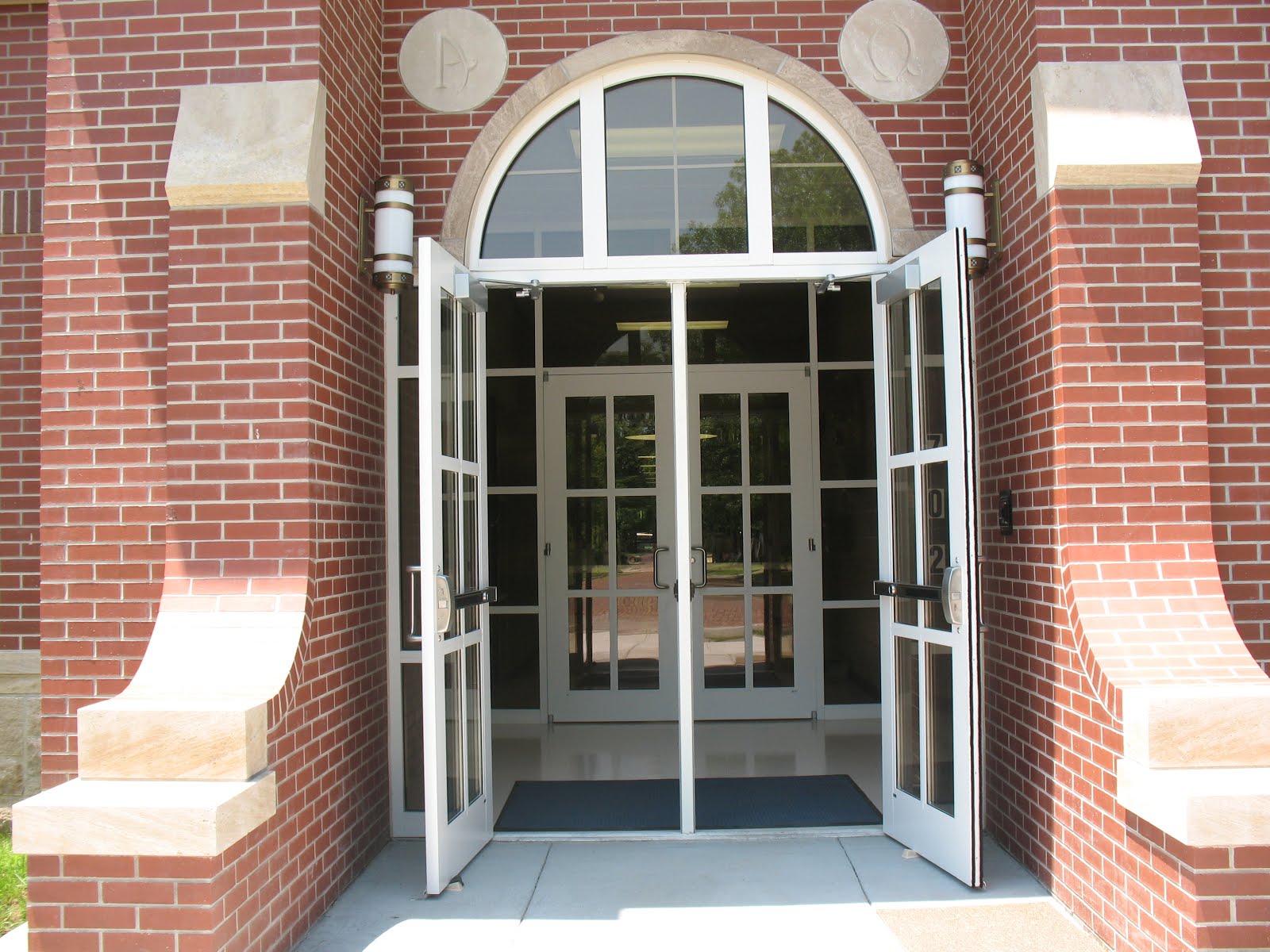
By its very nature, a fortress is most difficult to access. There's a whole community up there behind those walls, but unless you work here, or go to school here, you are not welcome - and you will be seldom invited in. The school thinks that if students don't do well here, it's because their families aren't giving them enough support - because the school is already doing all it can. The principal will select a few "cooperative parents" to help out at times. And families are afraid to complain fearing reprisals on their child.
 A key to understanding partnership, is to see it along a continuum. Some schools may be Open Door Schools, yet still have some Fortress classrooms. How will you ensure your school's culture is open to embracing true partnership with families and the community?
As a first step, take a welcoming walk-through of your building with an eye for any unintentional barriers; consider how you will engage your families in that process. And then, once you identify barriers, what's your process for removing them?
In education, what will be effective depends on your goal and how it's measured. Schools cannot do this work alone - it's a shared responsibility of schools, families, and communities to ensure all students succeed. This means looking beyond parent volunteer and fundraising stereotypes to build inclusive and effective partnerships for student success.
 |
 |
The Come-if-We-Call School
 |
The Fortress School By its very nature, a fortress is most difficult to access. There's a whole community up there behind those walls, but unless you work here, or go to school here, you are not welcome - and you will be seldom invited in. The school thinks that if students don't do well here, it's because their families aren't giving them enough support - because the school is already doing all it can. The principal will select a few "cooperative parents" to help out at times. And families are afraid to complain fearing reprisals on their child.
A key to understanding partnership, is to see it along a continuum. Some schools may be Open Door Schools, yet still have some Fortress classrooms. How will you ensure your school's culture is open to embracing true partnership with families and the community?As a first step, take a welcoming walk-through of your building with an eye for any unintentional barriers; consider how you will engage your families in that process. And then, once you identify barriers, what's your process for removing them?
In education, what will be effective depends on your goal and how it's measured. Schools cannot do this work alone - it's a shared responsibility of schools, families, and communities to ensure all students succeed. This means looking beyond parent volunteer and fundraising stereotypes to build inclusive and effective partnerships for student success.
Sunday, August 17, 2014
Intro to What I Learned at #PTcamp
Sometimes we forget. We don't mean to, but we forget that our children are whole children who come to and from school from families and communities.
But what if we didn't forget? And what if we engaged parents as partners, allies, and advocates in children's education at home and at school?
Because more than 40 years of research shows that when families are engaged in their child's learning, that child does better. And this holds true regardless of a parent's level of education, country of origin, or socio-economic status.
So, why do so many schools struggle to engage families? And does it really matter how family-friendly your schools are?
These were some of the questions I had in mind this summer when I participated in #PTcamp: a free and open, virtual bookchat spanning 10 time zones and involving more than 100 educators and parents. Together we read Beyond the Bake Sale: the essential guide to family-school partnerships. Each week we read a couple of chapters, then using some digital tools (including blogs, Twitter, Voxer, and ApprenNet), we engaged, reflected, challenged, and provoked each other's thinking - for learning.

Bake Sale not only connected all of us globally, it got us thinking about the best ways to authentically engage families for student success. By placing family engagement at the heart of school partnerships, the authors promote these 4 Core Beliefs:
But what if we didn't forget? And what if we engaged parents as partners, allies, and advocates in children's education at home and at school?
Because more than 40 years of research shows that when families are engaged in their child's learning, that child does better. And this holds true regardless of a parent's level of education, country of origin, or socio-economic status.
So, why do so many schools struggle to engage families? And does it really matter how family-friendly your schools are?
These were some of the questions I had in mind this summer when I participated in #PTcamp: a free and open, virtual bookchat spanning 10 time zones and involving more than 100 educators and parents. Together we read Beyond the Bake Sale: the essential guide to family-school partnerships. Each week we read a couple of chapters, then using some digital tools (including blogs, Twitter, Voxer, and ApprenNet), we engaged, reflected, challenged, and provoked each other's thinking - for learning.
Bake Sale not only connected all of us globally, it got us thinking about the best ways to authentically engage families for student success. By placing family engagement at the heart of school partnerships, the authors promote these 4 Core Beliefs:
- All parents have dreams for their children and want the best for them;
- All parents have the capacity for supporting their children's learning;
- Parents and schools should be equal partners;
- Responsibility for building these partnerships rests primarily with school staff, especially school leaders.
- Build Relationships
- Link to Learning
- Address Differences
- Support Advocacy
- and Share Power
Tuesday, July 22, 2014
Core Beliefs

If we are serious about engaging families for student success, and if we do not take our families' involvement for granted, we will want to improve family engagement practice in the most authentic ways. When schools work with and engage families, those families become powerful partners, allies, and advocates. Family engagement matters.Change is easy. You go first. ~ Wisdom of Anonymous
These 4 Core Beliefs are found in Chapter 3 of Beyond the Bake Sale; by placing them at the heart of family-school partnerships, the authors promote and affirm the valuable role of families, so necessary for all students to achieve academic proficiency - and beyond.
Core Belief 1: All parents have dreams for their children and want the best for them. When we take the time to hear from parents directly about their hopes and dreams for their children, it deepens the relationship. How often do schools take the time to hear directly from parents about the dreams for their children? How do teachers adjust their practice to accommodate student/family goals each day? Each week? Month? Year? Schools must be intentional in their approach to building relationships with families.
Core Belief 2: All parents have the capacity to support their children's learning. Do we believe this? Or do we think families do not have time to come in or care to contribute? If all parents have the capacity to support their children's learning, and we support parents, children's learning will improve.
Core Belief 3: Parents and school staff should be equal partners. When you think about it, schools belong to the community and families. Schools must tap into parents' expertise of their children. True partnership is essential. Achieving student and school success will be impossible unless all stakeholders are valued for their contributions, and schools make themselves available and are willing to commit to that goal.
Family engagement is the third leg of the stool that holds the child in the center and lifts her up (family, school, community). If families do not know what their child is learning and doing in class, and the school is unaware of the family's hopes and dreams for their child, how will they be able to help her achieve her vision of success? Families, communities, and schools must acknowledge their shared responsibility for every child's success—and it is up to the school to lead the way.Core Belief 4: The responsibility for building partnerships between school and home rests primarily with school staff, especially school leaders. Of course. Principals set the tone in the school, co-constructing roles based on shared responsibility and understanding of the complementary roles of families and communities.
⸻
Image credit: Ground-breaking workbook for families and school leaders to read together by Anne T. Henderson, Karen L. Mapp, Vivian R. Johnson, and Don Davies.
Subscribe to:
Posts (Atom)